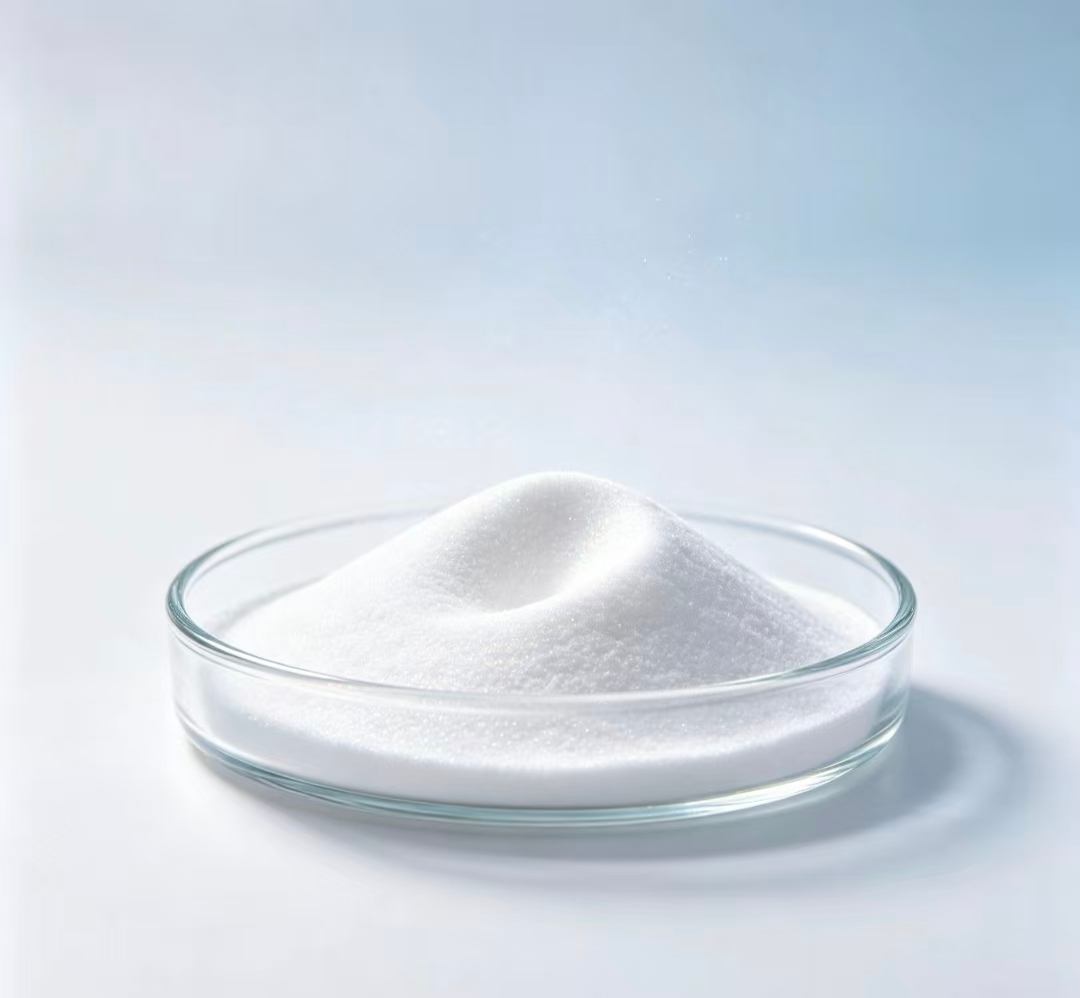
Essential details
Quantity(pieces):10
MOQ:10T
Lead time:15Days
Shipping:sea transportation
Specification Number:ZLLSIL-MF200 Silica Dispersion (Colloidal Silica for Fire-Resistant Glass)
Package Description:Woven bag ton bag
Product Introduction
Fumed Silica for Fire-Resistant Glass – Technical Data Sheet Manufacturer: ANDEHU NEW MATERIALS (SHANDONG) CO., LTD
1. Product Description
Andehu colloidal silica for fire-resistant glass is an aqueous dispersion of high-purity amorphous nano-sized silica particles, designed as the core interlayer material for cast-in-place Class A insulating fire glass. The product is manufactured via controlled silicate hydrolysis and surface modification, delivering stable colloidal properties, consistent particle size distribution and reliable fire insulation performance. It is formulated to replace traditional sodium silicate systems, reducing efflorescence and improving long-term optical stability.
2. Key Characteristics
1.Chemical Purity: SiO₂ (dry basis) ≥99.8%; Na₂O ≤0.3%; heavy metals below detection limits; no organic additives. Non-toxic and non-combustible, compliant with inorganic fire protection material requirements.
2.Particle Size Control: Monodisperse spherical particles with nominal diameters of 60nm, 80nm, 100nm and 120nm available. Narrow particle size distribution (PDI <0.15) ensures uniform curing and consistent optical properties.
3.Optical Properties: Refractive index 1.38–1.40 at 25℃; visible light transmittance ≥88% for 10mm path length. Cured gel layer exhibits refractive index matching to soda-lime glass, minimizing light scattering.
4.Colloidal Stability: Stabilized by surface charge in alkaline aqueous medium. No gelation, sedimentation or phase separation after 12 months of storage under recommended conditions.
3. Fire Reaction Mechanism
Upon exposure to fire, the material undergoes three sequential thermal stages:
1.Dehydration stage (25–200℃): Evaporation of free and bound water, endothermic process.
2.Polycondensation stage (200–600℃): Formation of siloxane bonds, development of three-dimensional network structure, volume shrinkage and densification.
3.Ceramization stage (>800℃): Sintering of silica nanoparticles into a continuous vitreous ceramic layer with low thermal conductivity and high structural integrity.
4. Recommended Processing Conditions
Pouring process:
Mixing temperature: 20–25℃
Degassing: vacuum ≥ -0.09MPa, 30–60min
Curing profile: 60℃ / 4h → 80℃ / 6h → 100℃ / 4h
Interlayer thickness: 5–20mm
Lamination process:
Thickener addition: 0.5–2.0% by weight
Coating thickness: 2–8mm wet film
Lamination pressure: 0.3–0.8MPa
5. Typical Properties
表格
Property Specification Test Method
SiO₂ Content 30–55 wt% Gravimetric (105℃/2h + 1000℃/1h)
Mean Particle Size 60–120 nm Dynamic Light Scattering
pH @ 25℃ 9.0–10.5 Glass electrode pH meter
Viscosity @ 25℃ 10–50 mPa·s Rotational viscometer, 60rpm
Light Transmittance ≥88% Spectrophotometer, 550nm, 10mm cell
Na₂O Content ≤0.3 wt% Flame photometry
Shelf Life ≥12 months Sealed storage 5–35℃
6. Applications & Grade Selection
表格
Fire Rating Recommended Grade Typical Use
0.5–1.0 h 30–40% solids, 60–80nm Interior fire doors, windows
1.5–2.0 h 40–50% solids, 80–100nm Fire partitions, compartment walls
2.5–3.0 h 50–55% solids, 100–120nm High-rise curtain walls, escape routes
Packaging & Handling
Available in 25kg, 200kg HDPE drums and 1000kg IBC totes. Store in original sealed containers at 5–35℃, protected from direct sun and frost. Address: Huaiyin District, Jinan City, Shandong Province, China

